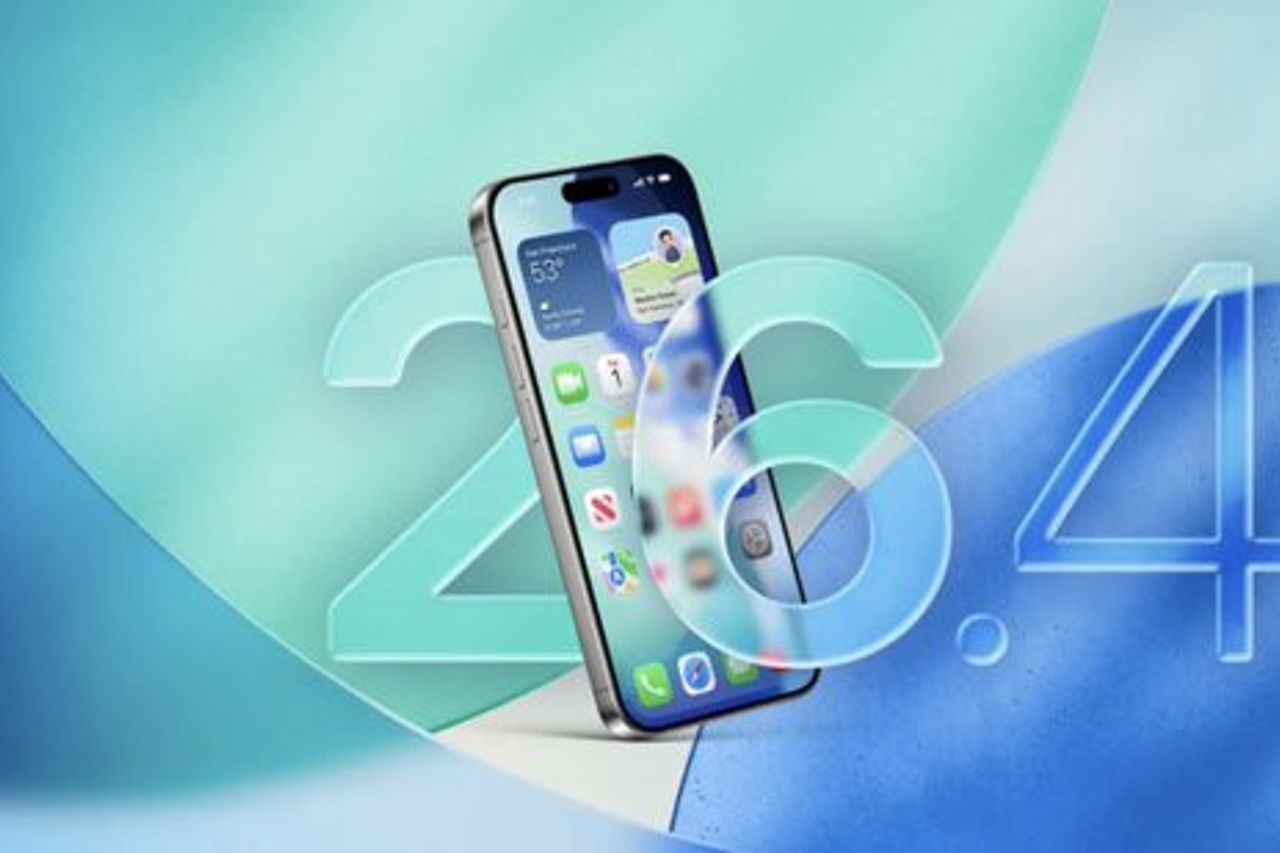
Apple has introduced iOS 26.4 RCS encryption in a new developer beta, marking a significant step in strengthening message privacy across its ecosystem. The update enables end-to-end encryption for Rich Communications Services messages between compatible Apple devices, with a wider rollout planned in upcoming releases.
The introduction of iOS 26.4 RCS encryption signals Apple’s deeper alignment with evolving messaging security standards. While the feature remains in beta, it reflects broader industry efforts to secure next-generation messaging protocols against interception and unauthorized access.
iOS 26.4 RCS encryption enters beta testing
With iOS and iPadOS 26.4 Beta, Apple now supports encrypted RCS conversations between supported Apple devices. According to the company, conversations labeled as encrypted are protected end-to-end, meaning messages cannot be read while traveling between devices.
However, Apple clarified that iOS 26.4 RCS encryption is not yet available for all devices or carriers. At this stage, encrypted RCS messaging is limited to Apple hardware and does not extend to Android platforms.
The move follows the GSM Association’s endorsement of end-to-end encryption for RCS messaging. Supporting this standard will require Apple to adopt RCS Universal Profile 3.0, which is built on the Messaging Layer Security protocol. This protocol is designed to deliver scalable and secure group communications.
Expanded memory protections in iOS 26.4
Beyond messaging, the beta release strengthens system-level defenses. Apple has expanded Memory Integrity Enforcement, allowing applications to opt into full protection rather than relying solely on the previously introduced Soft Mode.
First unveiled in late 2025, Memory Integrity Enforcement was designed to defend against advanced spyware attacks. The feature provides always-on memory safety protection across critical attack surfaces, including the kernel and more than 70 userland processes, without noticeable performance impact.
By enabling broader adoption of full MIE protections, iOS 26.4 enhances resilience against memory-based exploitation techniques that are often used in targeted attacks.
Stolen Device Protection enabled by default
Security improvements in iOS 26.4 extend to user account protection. Reports indicate that Stolen Device Protection will be enabled by default for iPhone users in this release.
The feature requires biometric authentication, such as Face ID or Touch ID, for sensitive actions when the device is away from familiar locations. These actions include accessing stored passwords and payment information.
Stolen Device Protection also introduces a one-hour delay before allowing changes to an Apple Account password. This delay provides users with time to mark a device as lost if theft occurs. In addition, biometric authentication is required for key security changes, reducing the risk of unauthorized account access.
Developer updates and broader rollout plans
The iOS and iPadOS 26.4 software development kit is bundled with Xcode 26.4, available through the Mac App Store. The update includes various developer-focused enhancements, bug fixes, and documentation updates across areas such as SwiftUI, StoreKit, and networking.
Apple plans to extend iOS 26.4 RCS encryption support to macOS and watchOS in future updates. As the beta progresses, broader device and carrier compatibility is expected.
With iOS 26.4 RCS encryption and strengthened memory safeguards, Apple continues to tighten its security posture. The latest update reflects a growing emphasis on default protections, encrypted communications, and layered defenses against modern cyber threats.