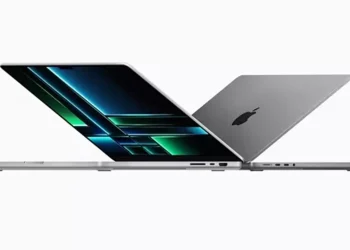
Google AI is entering a new phase as a multi-year agreement with Apple positions the company at the center of the next wave of artificial intelligence adoption. The partnership effectively gives Google access to more than 1.5 billion iPhones worldwide, a scale that could redefine how users search, shop and interact with digital services as AI becomes a primary interface.
As a Gemini-powered version of Siri evolves into a core touchpoint for Apple users, the industry focus is moving away from traditional search toward AI-driven answer engines. This transition, analysts say, is accelerating consolidation around companies with what are increasingly described as deep ecosystems.
According to BrightEdge chief executive Jim Yu, the AI era is now favoring platforms that combine data, distribution and technology at scale. Companies such as Google, Microsoft and potentially Meta Platforms are emerging as dominant forces because their ecosystems allow AI to move seamlessly from discovery to transaction.
For advertisers, this shift has significant implications. Google has already begun integrating AI-enabled commerce tools, including direct offers and streamlined checkout options, enabled through partnerships such as its collaboration with Spotify. Apple, meanwhile, gains new pathways to tap into Google’s AI-powered retail and advertising services without building every capability in-house.
The broader advertising market is also reflecting this momentum. An annual outlook from Winterberry Group projects total U.S. media spending to exceed $664 billion in 2026, representing growth of more than 9%. Much of that expansion is being driven by data-centric digital channels as spending continues to migrate away from offline media.
Major global events, including the World Cup, Winter Olympics and U.S. midterm elections, are expected to further boost ad investment. Political advertising alone is forecast to contribute more than $10 billion, amplifying growth across platforms that can combine reach, data and automation.
While some industry voices argue that agentic AI and commerce will eventually overtake traditional advertising, current evidence suggests reintegration rather than replacement. Winterberry Group notes that AI adoption is pushing agencies to merge media, creative and data functions, dismantling silos and accelerating technology adoption.
As autonomous decision-making tools mature, agencies are increasingly redefining themselves as platforms instead of service providers. This mirrors the consolidation trend highlighted by BrightEdge, where partnerships and scale are becoming essential to compete in an AI-first marketplace.
Recent advertising data underscores how these shifts are playing out. Tinuiti’s Q4 2025 Digital Ads Benchmark Report shows Microsoft paid search spending rising faster than Google’s year over year, while average cost-per-clicks increased across major platforms. At the same time, YouTube ad spend continued to migrate toward television screens, highlighting the growing importance of connected TV in digital media strategies.
Google search, however, has regained momentum as Amazon largely exited U.S. Google Shopping auctions. Click growth reached its strongest pace in nearly five years, reinforcing Google’s resilience even as the competitive landscape evolves.
Health care and pharmaceuticals represent another frontier for Google AI. In early 2026, OpenAI introduced ChatGPT Health in beta, while Google expanded its own health initiatives using specialized Gemini-based clinical agents. Through partnerships such as its collaboration with Apollo Radiology International, Google’s AI is supporting millions of free screenings globally, underscoring how AI ecosystems now extend well beyond advertising.
Taken together, these developments point to a future where scale, integration and trust define winners in AI, advertising and digital services. Google AI, strengthened by its Apple partnership and expanding ecosystem, is positioning itself not just as a search provider, but as a foundational layer for how information, commerce and care intersect in the years ahead.