The Apple ecosystem integration stands as a cornerstone of the company’s success. It creates a smooth, secure, and intuitive experience across all Apple devices and services. From the moment you use an iPhone, Mac, or Apple Watch, you’ll notice how effortlessly they work together. This synergy isn’t accidental—it’s carefully designed to keep users engaged, productive, and satisfied within Apple’s world.
At the core of this ecosystem is deep hardware integration. iPhones, iPads, Macs, Apple Watches, AirPods, and Apple TVs all share a common language. For example, Handoff lets you start an email on your iPhone and finish it on your Mac without losing progress. Similarly, AirDrop enables instant file sharing between Apple devices using Wi-Fi and Bluetooth—no apps or logins needed. What’s more, Continuity allows you to take phone calls or send texts directly from your Mac, even when your iPhone is in another room.
AirPods enhance this experience further. Once paired, they automatically connect to any Apple device signed into your iCloud account. So, if you’re watching a video on your iPad and switch to your MacBook, your AirPods follow—no manual switching required.
Equally important is software integration. Apple’s operating systems—iOS, macOS, iPadOS, watchOS, and tvOS—share design principles and features that promote unity. All of them sync seamlessly through iCloud, Apple’s cloud backbone. Whether you save a note, photo, or document, iCloud ensures it appears instantly on every device. As a result, your workflow stays uninterrupted, no matter which device you pick up.
In addition, apps like Safari, Messages, and Mail offer consistent layouts and functionality across platforms. This means you can begin browsing on your iPhone and resume on your Mac with the same tabs open. Moreover, the App Store curates apps optimized for each device while maintaining cross-platform compatibility.
Apple’s services tie everything together. Take Apple Music: it syncs playlists and listening history across iPhone, Mac, and Apple Watch. Or consider Apple TV+, which lets you start a show on your Apple TV and finish it on your iPad. Meanwhile, iCloud Drive keeps documents accessible everywhere, and Apple Pay enables secure, one-tap payments on iPhone, Watch, or iPad.
Gaming and fitness also benefit. Apple Arcade lets you play the same game across devices with a single subscription. Likewise, Apple Fitness+ uses your Apple Watch to track workouts and syncs data to your iPhone’s Health app for a complete wellness picture.
Another key strength is seamless communication. Messages and FaceTime work across all Apple devices. If you receive a text on your iPhone, you can reply from your Mac. You can even start a FaceTime call on your iPhone and switch to your iPad mid-conversation.
Critically, privacy and security underpin the entire ecosystem. Apple uses end-to-end encryption for iMessages and FaceTime. It also gives users control over app tracking and data sharing. Your Apple ID acts as a secure hub, linking devices while protecting your identity and information.
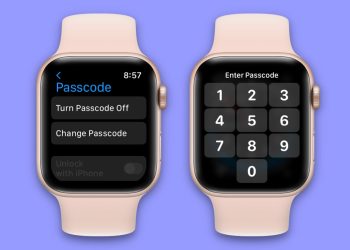
Finally, the Apple Watch exemplifies ecosystem depth. It monitors heart rate, ECG, and blood oxygen, then syncs all health insights to your iPhone. The Health app consolidates this data, offering a unified view of your well-being.
In summary, Apple ecosystem integration delivers unmatched convenience, continuity, and security. By blending hardware, software, and services into one cohesive system, Apple makes daily tasks simpler and more enjoyable. As the company adds new features and devices, this ecosystem will only grow stronger—offering even greater value to those who invest in it. For new users, it’s a compelling reason to choose Apple. For loyal users, it’s why they stay.
READ: How to Install Windows on a MacBook Complete Boot Camp Guide