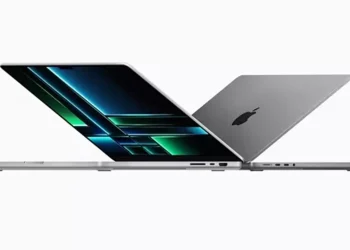
Budget MacBook discussions have intensified ahead of Apple’s March 4 announcement, where the company plans invite-only experiences in London, Shanghai, and New York City. Reports suggest Apple may introduce a lower-priced MacBook, potentially filling a gap that has existed in its lineup for several years.
Since 2019, Apple has streamlined its laptop offerings around the MacBook Air and MacBook Pro. The original base MacBook disappeared as Apple consolidated its range. However, that move left no clear entry-level option aimed at everyday users who do not require professional-grade performance.
As a result, the potential return of a Budget MacBook signals a shift in strategy. Rather than targeting only creative professionals or power users, Apple could now court students, families, and casual consumers who prioritise affordability and reliability.
Budget MacBook Could Fill Market Gap
Apple’s current MacBook Air and MacBook Pro models focus heavily on performance messaging. Marketing materials highlight creative software, productivity tools, and advanced capabilities. Whilst those features appeal to professionals, they may overlook the average consumer seeking a straightforward device.
Previously, Apple positioned its base MacBook as a general-purpose laptop for everyday tasks. It appealed to users who needed web browsing, document editing, video streaming, and light creative work. Without that model, Apple ceded ground to entry-level PCs and Chromebooks.
Meanwhile, competitors have built strong positions in the sub-$600 segment. Students and budget-conscious buyers often gravitate toward affordable Windows laptops or Chromebook devices. Therefore, a Budget MacBook priced around $699, or lower through retail promotions, could reintroduce Apple to that audience.
If pricing drops below $600 during seasonal promotions, Apple may unlock stronger demand. At that level, the brand’s perceived reliability and ecosystem advantages become more accessible to first-time buyers.
Ecosystem Strategy Drives Expansion
Apple has historically used one product to draw customers into its broader ecosystem. Many users begin with an iPhone and later adopt additional Apple devices due to integration benefits.
The same strategy could apply to a Budget MacBook. iPhone users who have not yet transitioned to macOS may find a lower entry price compelling. Once integrated into the Apple ecosystem, features such as iCloud syncing, AirDrop, and cross-device continuity strengthen user retention.
Moreover, Apple’s ecosystem encourages long-term loyalty. Consumers who experience seamless interaction between devices often remain within the brand’s product range. Consequently, introducing a more affordable MacBook could accelerate ecosystem growth beyond mobile dominance.
Color options and design may also play a role. Apple has previously demonstrated strong consumer response to distinctive finishes across iPhone and iMac lines. A visually appealing Budget MacBook could resonate with younger buyers and casual users seeking both function and personality.
Windows 11 Frustrations Create Opportunity
Market conditions may further support Apple’s move. Windows 11 migration challenges have generated user dissatisfaction, particularly amongst non-technical consumers. Complaints about compatibility, updates, and usability have circulated widely.
Although Apple’s decision likely predates these issues, the timing appears favourable. Some Windows users may now consider alternatives that offer simplicity and stability. A Budget MacBook could serve as an accessible gateway for those exploring macOS for the first time.
Switching operating systems requires adjustment. However, Apple’s focus on ease of use and security messaging aligns with consumers seeking a smoother experience. For everyday users who do not rely on specialised Windows-only software, macOS presents a viable option.
Additionally, Apple’s reputation for long-term software support enhances its appeal. Consumers increasingly evaluate devices based on longevity and update cycles. An affordable MacBook backed by consistent updates may strengthen purchase confidence.
Pricing Remains Critical Factor
Despite strategic advantages, pricing will ultimately determine the model’s success. At a starting point of $699, the device would undercut the MacBook Air but still face competition from discounted Windows laptops.
However, Apple frequently benefits from retail partnerships and seasonal promotions. Therefore, real-world pricing may fall well below the official launch figure. At $599 or lower, a Budget MacBook would compete more directly in the mainstream segment.
Lower entry costs could also influence educational markets. Schools and universities often prioritise affordability when equipping students. An accessible MacBook may expand Apple’s presence in these environments.
Apple’s March event will clarify whether the company intends to re-enter the entry-level laptop space. If executed strategically, a Budget MacBook could broaden the Mac audience, convert select Windows users, and reinforce Apple’s ecosystem advantages.
Ultimately, the launch may prove more significant than incremental hardware updates. By targeting everyday consumers and first-time Mac buyers, Apple has an opportunity to reshape its laptop strategy and extend its ecosystem reach.